Emergency Dentist Plano, TX for Veneer, Crown, and Bridge Emergencies
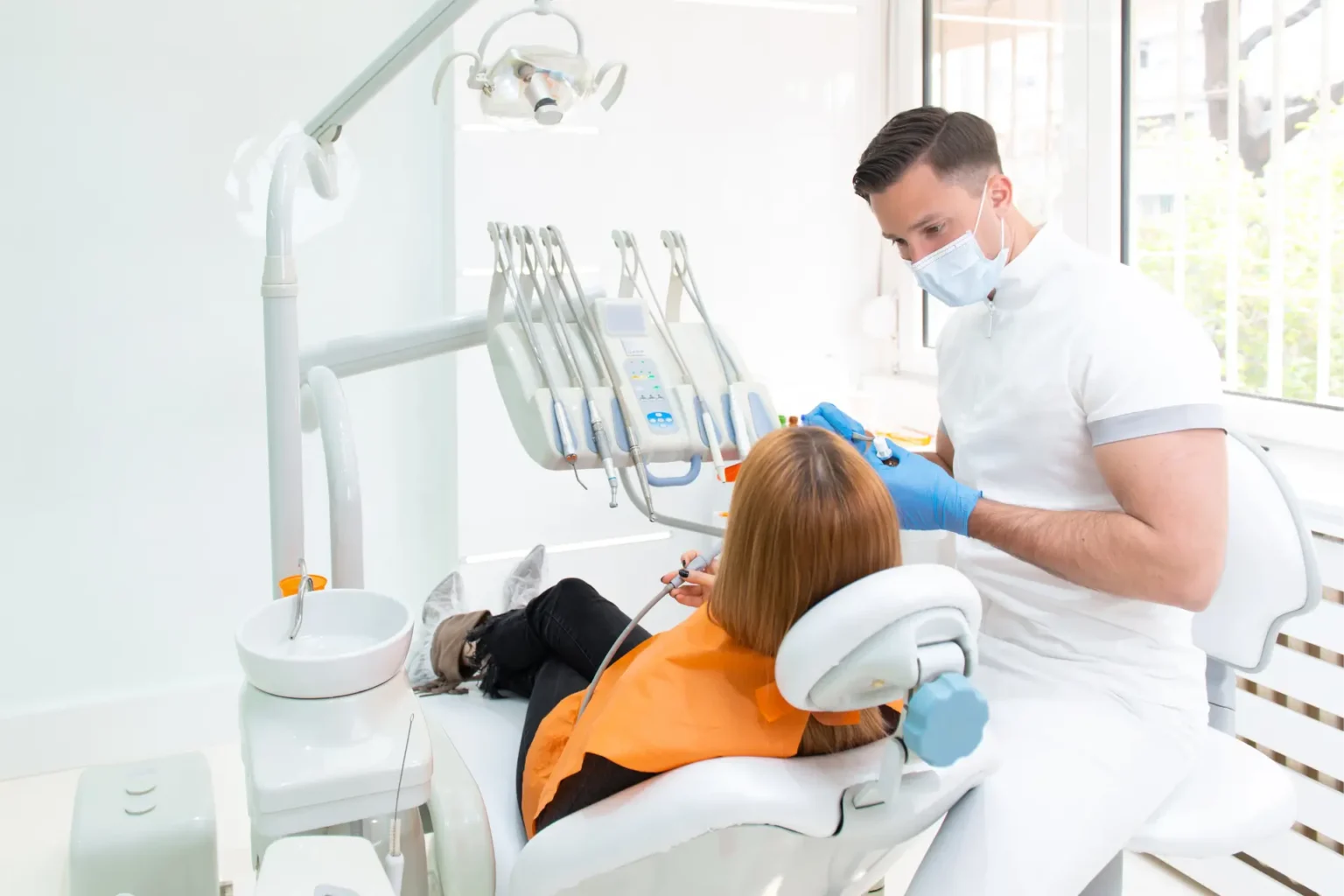

Cosmetic and restorative dentistry does more than improve a smile. A veneer can protect a worn front tooth. A crown can reinforce a cracked molar so you can chew without pain. A bridge can restore function after tooth loss and keep neighboring teeth from drifting. When one of these restorations breaks, loosens, or falls out, the problem can shift from inconvenient to urgent in a matter of hours.
That is why patients often start searching for an Emergency dentist Plano, TX the minute something feels wrong. The urgency is real, but so is the confusion. A chipped veneer may look dramatic and still be relatively stable until morning. A lost crown might be manageable for a day if the tooth underneath is intact and not sensitive. A broken bridge with a sharp edge cutting into the cheek is a different story entirely. The challenge is knowing which situation can wait and which one calls for same-day care.
In practice, veneer, crown, and bridge emergencies tend to arrive with a lot of emotion attached. People are embarrassed to smile, worried about cost, and unsure whether they have done something to make the situation worse. Many are on the way to work, headed into a family event, or about to leave town. The clinical problem matters, but the timing and the human side matter just as much.
What counts as a veneer, crown, or bridge emergency
Not every restoration problem is a true dental emergency, but plenty of them deserve fast attention. The deciding factors are usually pain, infection risk, loss of function, and the chance that delay will make a simple repair turn into a larger procedure.
A veneer emergency often involves a veneer that has cracked, chipped, shifted, or detached from the front of the tooth. Veneers are thin and strong for their purpose, but they are not indestructible. Biting a fork, opening packaging with the teeth, grinding at night, or taking a hit during sports can all cause trouble. Sometimes the veneer itself survives and the bonding fails. Other times the porcelain fractures and leaves a jagged edge.
Crown emergencies are common because crowns take a lot of daily force. A crown can pop off while chewing sticky food, feel loose because the underlying tooth has decayed, or crack after years of wear. Patients are often surprised to learn that the crown is not always the main issue. If the tooth under the crown has broken or developed deep decay, the urgency rises quickly.
Bridge emergencies sit in the middle of both cosmetic and functional dentistry. A bridge can loosen at one end, trap food painfully under the pontic, fracture in the middle, or place abnormal pressure on the supporting teeth. Since a bridge depends on stable anchor teeth, damage to one part can affect the whole restoration.
The situations that usually justify prompt or same-day attention include severe pain, swelling, bleeding that does not stop, trauma, visible tooth fracture under the restoration, pus or foul taste suggesting infection, a restoration that is mobile enough to be swallowed, or sharp broken porcelain repeatedly cutting the lips, tongue, or cheek.
Why these problems happen when the work looked fine yesterday
Patients often say the same thing: “It was fine until this morning.” That can be true. Dental restorations rarely fail without a reason, but the final moment of failure often looks sudden.
Cement can wash out or weaken over time, especially if a crown margin is hard to keep clean. Small amounts of recurrent decay can undermine the fit long before any pain begins. Bruxism, the clenching and grinding that many people do at night, places enormous force on crowns and veneers. Even people who do not think they grind may show the classic signs: flattened edges, jaw tightness, and tiny fractures in porcelain.
Bite changes matter too. A restoration that was well balanced five years ago may now be taking more force because other teeth have shifted, worn down, or been restored. For bridgework, the supporting teeth can change over time under stress. If one abutment tooth weakens, the entire bridge becomes vulnerable.
There are also simple, everyday triggers. Hard nuts, popcorn kernels, ice, and sticky candy remain common culprits. So are accidents that feel minor at first, such as bumping a coffee mug against a front veneer or catching a crown on floss. I have seen patients lose a perfectly serviceable temporary crown while eating a soft sandwich, then discover the real issue was not the food at all, but a short prep or diminished retention from years of use.
The first few hours matter more than most people realize
When a veneer, crown, or bridge fails, the tooth underneath is often more exposed than it was before the restoration was placed. That can mean sensitivity to cold air, pain with pressure, or irritation from rough surfaces. It can also mean the remaining tooth structure is more vulnerable to fracture.
A lost crown on a back tooth illustrates this well. If the tooth underneath has a large filling or little natural structure left, chewing on it without protection can crack the tooth. What might have been a simple recementation can become a core build-up, a new crown, or even root canal treatment if the crack reaches the nerve. With veneers, the underlying front tooth may be thin or reshaped. Leaving it exposed for too long can create sensitivity and increase the chance of chipping.
That is one reason an experienced emergency dentist does more than “glue something back on.” The clinician has to determine whether the restoration is reusable, whether the tooth is still sound, whether the bite caused the failure, and whether there are signs of hidden damage that the patient cannot see.
What to do at home before you can get to the office
The best first step is to stay calm and protect the area. Many restoration emergencies are very manageable for several hours if handled carefully.
If a crown or veneer has come off cleanly, keep it. Place it in a small container or clean bag. Do not wrap it in tissue if there is any chance it could be thrown away by mistake. If a bridge has loosened or detached, bring the entire piece with you. Even when it cannot be reused, it gives the dentist valuable information about what failed.
Rinse your mouth gently with lukewarm water. If there is bleeding from trauma, apply gentle pressure with clean gauze. If a broken edge is scraping soft tissue, orthodontic wax from a pharmacy can help cover the sharp spot temporarily. Over-the-counter pain relievers may help, provided you can take them safely and according to label directions.
There are also a few things patients should avoid because they tend to create bigger problems than the original emergency.
- Do not use super glue, craft glue, or household adhesive on a crown, veneer, or bridge.
- Do not chew on the affected side, especially if the underlying tooth feels weak or sensitive.
- Do not force a restoration back into place if it does not seat easily and fully.
- Do not ignore swelling, fever, or a bad taste, because those signs can point to infection.
- Do not sleep with a loose restoration in your mouth if there is any risk it could dislodge further.
Temporary dental cement from a pharmacy can occasionally help with a crown that came off intact, especially if travel or timing makes immediate care difficult. Even then, it should be used cautiously and only as a short-term measure. If the crown does not fit smoothly, stop. A crown seated incorrectly can interfere with the bite and damage the tooth.
Veneer emergencies have their own rules
Front tooth emergencies feel different because people notice them instantly. A patient can tolerate a sore back tooth for a day and still function. A missing veneer on a central incisor changes how someone speaks, smiles, and even breathes through the mouth.
The good news is that not every veneer failure means starting over. If a veneer has detached intact and the tooth beneath is healthy, rebonding may be possible. The deciding factors include how cleanly it came off, whether the porcelain margins remain intact, and whether contamination or old bonding material prevents a reliable seal.
Small veneer chips can sometimes be polished if the defect is minor and not in a highly visible area. Composite repair may work in selected cases, though patients should understand the trade-off. A composite patch can restore appearance quickly, but it may not match the polish, strength, or longevity of the original porcelain. For a major fracture across the face or incisal edge, replacement is often the better long-term answer.
The biggest mistake with a veneer emergency is treating it as purely cosmetic. If the tooth underneath was previously worn, discolored, or slightly rotated, the veneer may have been doing significant structural and visual work. Exposed enamel or dentin can become uncomfortable fast, and a vulnerable front tooth can chip more easily than many people expect.
Crown emergencies often reveal what was happening underneath
A crown that falls off can be straightforward, but it can also be the first sign of decay, a fractured core, or failure of the tooth itself. This is why same-day recementation is not always appropriate, even when the crown looks fine to the patient.
If the inner surface of the crown is intact and the tooth underneath is solid, dry, and largely unchanged, the crown may be cleaned and recemented. If decay has softened the tooth or a chunk of tooth structure came out inside the crown, the plan changes. The dentist may need to rebuild the tooth before a crown can go back on. Sometimes there is not enough remaining tooth to support another crown without additional treatment.
A cracked crown presents a different decision tree. Hairline craze lines in porcelain do not always require immediate replacement if the crown remains stable and the tooth is asymptomatic. A visible split, a piece missing from a chewing cusp, or a crack extending into the underlying tooth is another matter. In those cases, delay invites more fracture.
One pattern shows up often in patients who wait too long: the lost crown that “didn’t hurt” on day one, then becomes throbbing and difficult to numb a week later. Food debris, bacteria, and bite trauma can change the picture quickly.
Bridge problems can affect more than one tooth at once
A bridge can fail at the connector, at one or both retainers, or in the supporting teeth. Because several teeth are involved, bridge emergencies demand a broad look rather than a narrow fix.
If one side of the bridge comes loose while the other remains attached, many patients are tempted to leave it alone as long as it is “still hanging on.” That is risky. A partially detached bridge can torque the anchor tooth every time you bite, potentially turning a manageable repair into a fractured abutment. It can also trap food and bacteria in ways that accelerate decay near the margins.
When a bridge has come out completely, the office will assess whether the supporting teeth are healthy enough to reuse it. Sometimes the bridge itself is serviceable, but one anchor tooth has developed decay or root fracture. In that case, the bridge may need to be remade, redesigned, or replaced with another option altogether.
This is where practical judgment matters. If a bridge has served for many years and the abutment teeth now show substantial wear, replacement with another bridge may not be the wisest route. Depending on bone support, periodontal health, and patient priorities, implants or other restorative plans may offer better stability. Emergency treatment, in other words, often becomes the entry point into a larger restorative conversation.
How an emergency dental visit in Plano usually unfolds
Patients often imagine that emergency dental care is limited to pain pills and temporary patches. In a well-equipped office, a great deal can happen in one visit. The appointment usually begins with a focused exam, photographs when useful, and X-rays if the underlying tooth or supporting bone needs evaluation. The dentist checks the restoration itself, the fit, the bite, the health of the tooth structure, and any signs of infection or fracture.
If the restoration can be safely reused, the dentist may clean and recement or rebond it the same day. If it cannot, a temporary solution may protect the tooth while a new restoration is made. For crowns, that might mean fabricating a provisional crown or smoothing and sealing the tooth. For veneers, a provisional or a bonded interim approach may be possible, depending on the tooth and cosmetic zone. For bridges, the short-term plan depends heavily on how stable the abutment teeth are.
Not every emergency has a one-visit definitive fix, and that is not necessarily a bad sign. Sound dentistry sometimes means stabilizing first, then rebuilding properly. For example, a crown that came off because the tooth fractured below the gumline may need a more involved discussion rather than a rushed recementation that fails again in a week.
When pain means more than a broken restoration
Pain is an important clue, but it is not always straightforward. Some patients have dramatic-looking chips with little discomfort. Others have only a loose crown and significant pain. The difference often lies in whether the pulp, the nerve tissue inside the tooth, has become inflamed or infected.
Sharp pain to cold that lingers can indicate pulpal irritation. Pain on biting may suggest a crack. Throbbing pain that wakes you at night, swelling in the gum, or tenderness extending into the jaw can point toward infection or abscess. If a restoration emergency follows trauma and the tooth feels high or mobile, the supporting structures may be injured too.
This is why a cosmetic emergency should not be self-diagnosed by appearance alone. A front veneer can look like the main problem while the actual issue is a tooth that was hit hard enough to damage the nerve. A crown may seem simply loose, yet the real cause is extensive recurrent decay below the visible margin.
Finding the right emergency dentist when time is tight
When people search for an Emergency dentist Plano, TX, they often focus first on speed, and understandably so. Availability matters. But skill in restorative emergencies matters just as much. Veneers, crowns, and bridges are not interchangeable problems, and they should not be treated with a one-size-fits-all Emergency dentist Plano, TX approach.
Look for an office that is comfortable with both urgent care and restorative follow-through. If a practice can evaluate the emergency but not manage the esthetic, functional, or bite-related consequences, patients may end up bouncing between providers. That can add cost, delay, and frustration.
It helps to ask a few direct questions when you call.
- Do you handle same-day evaluation for lost or broken veneers, crowns, and bridges?
- If the restoration cannot be reused, can you provide a temporary solution that protects the tooth?
- Do you evaluate the underlying tooth for decay, fracture, and bite issues, not just the restoration itself?
- If additional treatment is needed, such as a new crown or bridge, what is the expected timeline?
- What should I do before arriving, especially if I have the restoration in hand?
A good front desk team can often tell from your description whether you should come in immediately, avoid eating, bring the restoration, or seek more urgent medical attention if swelling or trauma is severe.
Prevention is less glamorous than repair, but it works
Most veneer, crown, and bridge emergencies are not random. They tend to grow from force, time, decay, or a combination of all three. Patients who invest in prevention usually save themselves from the most disruptive failures.
Night guards deserve special mention. For people who clench or grind, a well-made guard can dramatically reduce porcelain fractures, loosening, and wear on supporting teeth. It is one of the simplest ways to protect expensive restorative work. Routine exams also matter because minor cement washout, tiny margin leaks, and early decay are much easier to correct before a restoration fails outright.
Home care has to fit the restoration. Bridges need careful cleaning beneath the false tooth, often with floss threaders, super floss, or other tools recommended by the dentist. Crowns still need plaque control at the margins. Veneers benefit from the same common-sense habits as natural teeth, plus a little restraint with hard foods and non-food habits like chewing pens or opening packages.
There is also a judgment piece that patients appreciate once they hear it plainly: dental work has a lifespan. Good crowns, veneers, and bridges can last many years, but none are permanent in the literal sense. If a restoration is older and showing wear, choosing elective replacement on your terms can be far easier than dealing with a failure on a holiday weekend.
The value of fast, measured care
A veneer that drops off before a presentation, a crown that comes loose during dinner, a Emergency dentist Plano, TX vitalitydentaldfw.com bridge that suddenly shifts while you are speaking, these moments feel abrupt and personal. They interrupt eating, talking, smiling, and confidence. They also create a narrow window in which smart choices can preserve the underlying tooth and keep the repair simpler.
That is the real role of emergency care. Not panic dentistry, and not a cosmetic quick fix, but prompt, careful treatment that protects both appearance and long-term function. If you are dealing with a restoration problem and searching for an Emergency dentist Plano, TX, the goal is not merely to get through the day. The goal is to keep a reversible problem from becoming a complicated one.
When the office evaluates the restoration, the tooth beneath it, and the forces that caused the failure, patients usually leave with more than temporary relief. They leave with a plan that makes sense, whether that means rebonding a veneer, recementing a crown, replacing a damaged bridge, or addressing the deeper issue that caused the emergency in the first place.
Vitality Dental
1220 Coit Rd # 106, Plano, TX 75075, United States
+1 972-645-4100
FAQ About Emergency dentist Plano, TX
Will the ER do anything for dental pain?
An emergency department can assess urgent symptoms and provide medical stabilization. Definitive treatment of the tooth usually requires a dentist. Seek emergency medical care for breathing or swallowing difficulty, uncontrolled bleeding, or serious facial injury.
What to do if I have a dental emergency in the middle of the night?
Contact a dentist or after-hours dental service promptly for guidance. If a permanent tooth is knocked out, keep it moist in milk while seeking immediate care. If symptoms suggest a medical emergency, go to an emergency department.
What qualifies as a dental emergency?
A knocked-out permanent tooth, severe or persistent tooth pain, a significant dental injury, or swelling may require urgent dental assessment. Call a dentist to describe the symptoms and determine timing. Uncontrolled bleeding or difficulty breathing or swallowing requires emergency medical care.
Ends · ZIONSTGC081